Cross Squad Accelerator & Forward Deployed Engineer: Peran Baru di Era AI
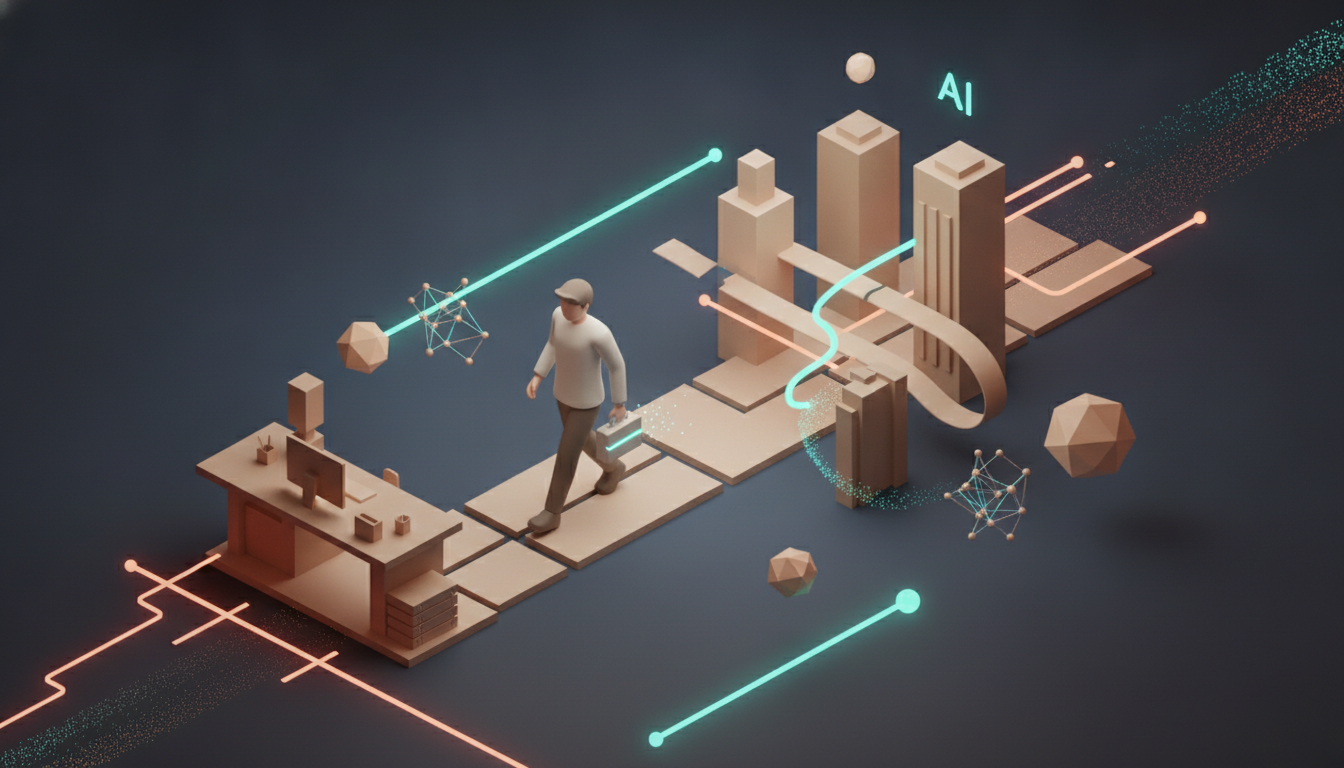
Perkembangan kecerdasan buatan (AI) berjalan luar biasa cepat, sampai mengubah cara kerja banyak perusahaan secara fundamental. Saya merasakan langsung dampak ini di tempat kerja.
Saya yang awalnya berfokus sebagai spesialis kini ikut bertransformasi seiring perusahaan menjadi lebih adaptif dan generalis. Dari situ saya mendapatkan peran baru yang menarik: Cross Squad Accelerator dan Forward Deployed Engineer (FDE). Ini bukan sekadar perubahan jabatan, melainkan tantangan besar untuk menyiapkan seluruh tim menghadapi era AI yang serba cepat.
Lewat artikel ini, saya ingin berbagi pengalaman dan pandangan tentang peran yang mungkin masih asing di Indonesia, serta bagaimana saya menjalaninya sehari-hari.
Dari Spesialis ke Generalis: Mengapa Perubahan Ini Penting di Era AI?
Dulu, dunia teknologi cenderung mendorong kita untuk menjadi sangat terspesialisasi. Saya pun merasakan kenyamanan dan efisiensi di ranah spesialisasi saya. Namun, kedatangan AI dengan segala inovasinya memaksa kita semua melihat gambaran yang lebih besar.
Perusahaan saya melihat bahwa untuk bisa lincah dan berinovasi cepat di era AI, silo-silo spesialisasi perlu dipecah. Kebutuhan akan individu yang punya pemahaman lintas disiplin dan mampu mengintegrasikan solusi AI di berbagai lini menjadi krusial.
Pergeseran dari mentalitas spesialis ke generalis, atau setidaknya generalis yang tetap punya spesialisasi (T-shaped developer), bukan hanya soal kemampuan teknis. Ini juga soal pola pikir. Saya harus belajar untuk tidak lagi hanya fokus pada "bagaimana membangun X dengan sempurna", tetapi juga "bagaimana X bisa terintegrasi dengan Y dan Z, dan memberikan nilai maksimal di seluruh ekosistem perusahaan dengan bantuan AI".
Konsekuensinya, saya harus membuka diri untuk belajar hal-hal baru di luar zona nyaman, dari arsitektur model AI hingga dampaknya pada proses bisnis yang berbeda-beda.
Memahami Peran Cross Squad Accelerator: Menjembatani Kesenjangan Adopsi AI
Sebagai Cross Squad Accelerator, tugas utama saya adalah memastikan setiap tim atau "squad" di perusahaan siap dan mampu menjalani transformasi ini. Bayangkan: setiap squad punya tujuan dan fokusnya sendiri, sering kali tanpa pemahaman mendalam tentang potensi atau tantangan integrasi AI. Di sinilah saya berperan sebagai jembatan.
Identifikasi kesenjangan. Saya mulai dengan memetakan posisi setiap squad dalam perjalanan adopsi AI. Apa yang mereka butuhkan? Alat apa yang bisa membantu mereka?
Fasilitasi pengetahuan. Saya bertanggung jawab mentransfer pengetahuan tentang teknologi AI terbaru, praktik terbaik, dan potensi penerapannya yang relevan dengan kebutuhan spesifik tiap squad. Bentuknya bisa workshop, sesi diskusi, atau mendampingi langsung dalam proyek percontohan.
Percepatan inovasi. Tujuan saya mempercepat proses identifikasi, eksperimen, dan implementasi solusi AI yang bisa meningkatkan efisiensi dan produktivitas, atau bahkan menciptakan produk baru. Saya sering menjadi katalisator: mendorong squad berpikir "AI-first" dan membantu menghilangkan hambatan teknis maupun prosedural.
Kolaborasi strategis. Saya tidak sekadar memberikan arahan, tetapi bekerja secara kolaboratif. Artinya, komunikasi intensif dengan pemimpin squad, engineer, hingga tim bisnis untuk memastikan solusi AI yang diterapkan selaras dengan tujuan strategis perusahaan.
Salah satu contoh sederhana: alih-alih hanya membagikan dokumentasi tools AI, saya duduk bersama satu squad mengerjakan satu kasus nyata mereka dari awal sampai jadi. Pendekatan "belajar sambil mengerjakan masalah sendiri" ini terbukti jauh lebih efektif daripada sesi teori, karena begitu hasilnya terasa, adopsi menyebar dengan sendirinya.
Intinya, saya ada untuk membuat adopsi AI berjalan lebih mulus dan cepat di seluruh organisasi, memastikan tidak ada squad yang tertinggal dalam gelombang transformasi ini.
Membongkar Konsep Forward Deployed Engineer (FDE) dan Relevansinya dengan AI
Peran Forward Deployed Engineer (FDE) adalah konsep yang sedang dimatangkan oleh manajemen, dan saya termasuk yang dipersiapkan untuk peran ini. FDE relatif baru, terutama di Indonesia, dan sering disalahpahami.
FDE bukan hanya tentang menulis kode di balik meja. Istilah ini dipopulerkan oleh Palantir: engineer yang "diterjunkan ke garis depan", duduk langsung bersama klien atau pengguna, memahami masalah nyata mereka di lapangan, lalu membangun solusi yang benar-benar berjalan, bukan sekadar demo yang bagus saat presentasi.
Mengapa peran ini menjadi sangat relevan di era AI? Karena ada jurang yang lebar antara kemampuan teknologi AI dan adopsi nyata di bisnis. Model AI bisa sangat canggih, tetapi tanpa seseorang yang memahami konteks bisnis klien, data yang tersedia, dan batasan operasionalnya, solusi AI sering berhenti di tahap eksperimen. FDE mengisi jurang itu.
Dalam praktiknya, peran FDE menuntut tiga hal sekaligus:
Kedalaman teknis untuk membangun dan mengintegrasikan solusi secara langsung, bukan hanya memberi rekomendasi.
Kepekaan bisnis untuk memahami masalah mana yang benar-benar bernilai diselesaikan, dan mana yang sekadar menarik secara teknis.
Kemampuan komunikasi untuk menerjemahkan kebutuhan pengguna non-teknis menjadi solusi, dan sebaliknya, menjelaskan batasan teknologi dalam bahasa bisnis.
Kombinasi inilah yang membuat FDE berbeda dari software engineer tradisional maupun konsultan. Engineer tradisional membangun berdasarkan spesifikasi; konsultan memberi rekomendasi lalu pergi. FDE hadir di tengah-tengahnya: memahami masalah langsung dari sumbernya, membangun solusinya, dan memastikan solusi itu benar-benar dipakai.
Tantangan Menjalani Dua Peran Sekaligus
Menjalani peran Cross Squad Accelerator sambil dipersiapkan sebagai FDE tentu tidak selalu mulus. Beberapa tantangan yang saya hadapi:
Resistensi terhadap perubahan. Tidak semua orang langsung antusias dengan AI. Ada yang skeptis, ada yang khawatir perannya tergantikan. Saya belajar bahwa pendekatan terbaik bukan memaksa, melainkan menunjukkan hasil nyata dalam skala kecil dulu. Satu workflow yang berhasil dipangkas waktunya berbicara lebih keras daripada sepuluh presentasi.
Konteks yang terus berpindah. Hari ini membahas infrastruktur, besok proses bisnis squad lain, lusa kebutuhan klien. Perpindahan konteks ini melelahkan, tetapi juga melatih "otot generalis" yang justru menjadi inti peran ini.
Teknologi yang bergerak lebih cepat dari dokumentasi. Tools dan model AI berganti dalam hitungan minggu. Saya harus menerima bahwa "selesai belajar" tidak ada dalam kamus peran ini; yang ada adalah ritme belajar yang berkelanjutan.
Pelajaran yang Saya Petik
Nilai seorang engineer di era AI bergeser dari "apa yang bisa saya bangun" ke "masalah apa yang bisa saya selesaikan". AI membuat proses membangun semakin cepat; yang langka adalah orang yang tahu masalah mana yang layak diselesaikan.
Adopsi teknologi adalah masalah manusia, bukan masalah teknis. Hambatan terbesar transformasi AI jarang berupa keterbatasan teknologi; hampir selalu berupa kebiasaan, ketakutan, dan cara kerja lama.
Menjadi generalis bukan berarti dangkal. Justru spesialisasi yang pernah saya dalami menjadi fondasi untuk memahami disiplin lain dengan lebih cepat.
Penutup
Peran Cross Squad Accelerator dan Forward Deployed Engineer mungkin belum umum di Indonesia, tetapi saya yakin kebutuhan akan peran semacam ini akan tumbuh seiring semakin banyak perusahaan yang serius mengadopsi AI. Bukan karena nama jabatannya, melainkan karena fungsinya: menjembatani jurang antara potensi teknologi dan nilai bisnis yang nyata.
Kalau Anda sedang menjalani transisi serupa, atau perusahaan Anda sedang merancang peran seperti ini, saya senang bertukar pikiran. Silakan hubungi saya melalui halaman kontak di website ini.